B2B Web Design
8 Website Redesign RFP Example Sections: Complete 2026 Guide
A website redesign RFP example for Canadian buyers: 8 sections from goals to scoring, a copy-and-paste template, the City of Vernon timetable and a weighted scoring tool.
Guides, benchmarks and worked examples for Canadian B2B companies planning a website rebuild, a migration, lead source reporting or AI visibility work. Written from client projects, with the research behind each claim.
A website redesign RFP example for Canadian buyers: 8 sections from goals to scoring, a copy-and-paste template, the City of Vernon timetable and a weighted scoring tool.
A 7 step method for choosing a Vancouver web design agency: brief, builder type, shortlist of 3, live work, reviews, call questions and a score sheet, with a…
Six Vancouver-area B2B homepages, Unbounce, Clio, Visier, Procurify, Absolute Security and Svante, scored on six first-screen checks, with a peer-reviewed study behind each lesson and a calculator for…
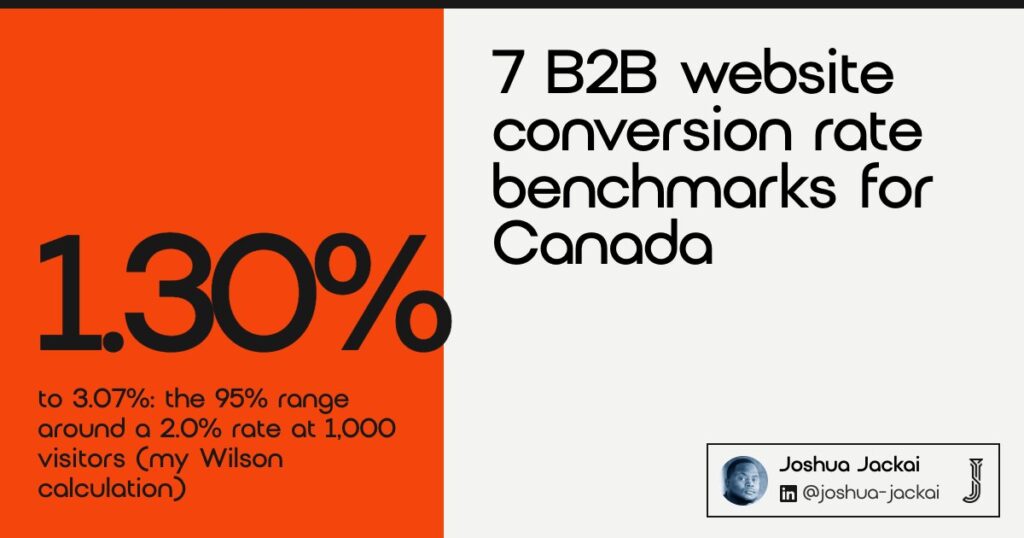
Seven checks for reading B2B website conversion rate benchmarks in Canada: define the conversion, read the range, pick your industry row, split by source, test your sample, score…
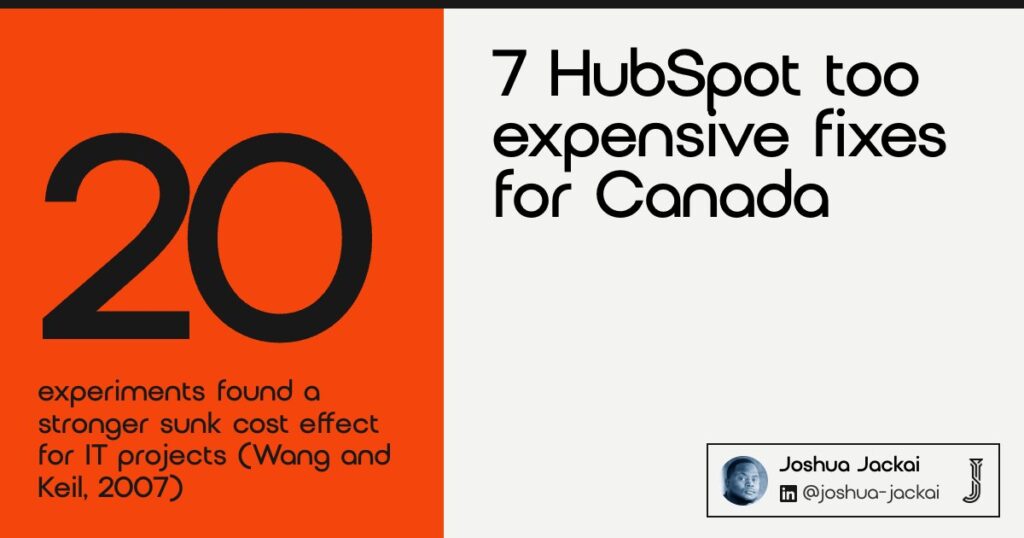
Seven ways to cut a HubSpot bill in Canada, cheapest first, with Canadian dollar list prices, HubSpot downgrade rules and a break-even calculator.
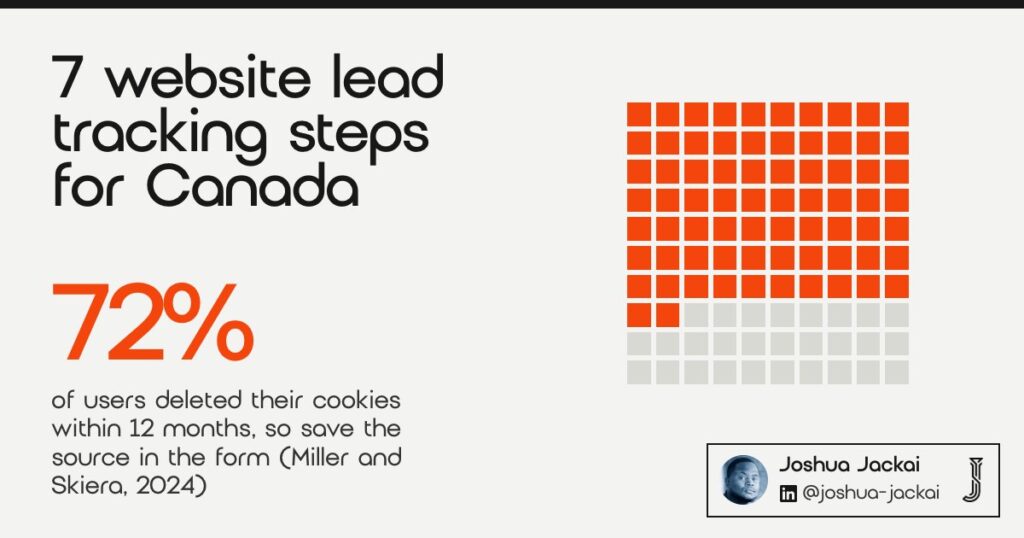
How to track where website leads come from in Canada: seven steps from a fixed source list to PIPEDA consent, CASL follow-up and a weekly review.
What to do when a WordPress site is hacked in Canada: seven steps from confirming the hack to PIPEDA duties, clean or rebuild, Google review and prevention.
What a website redesign costs in Vancouver, in Canadian dollars: seven tiers from audit to ecommerce, how long each takes and how often to redesign.
Seven steps to leave an SEO company in Canada without losing accounts, content or leads: audit, ownership, contract, copyright, results, notice and access.
Seven line items that set what website maintenance costs in Vancouver: updates, backups, security, uptime, speed, edit hours and accounts, with published Canadian plan prices and a budget…
Seven checks to run before you launch a vibe coded website: code review, secrets, forms and Canadian privacy, what crawlers receive, phone speed, accessibility and ownership, with a…
Seven checks to run before you hire a web developer in Vancouver, each with the research behind it, Vancouver salary and project prices in Canadian dollars, and a…
The grid above lists the newest posts first. This part of the blog page sorts the guides by the job they help with, so a marketing lead planning a rebuild can skip the ad posts and a store owner can skip the CRM wiring.
I am Joshua Jackai, a web designer in Vancouver, and I run Jackai Agency. I write every post on this blog from client work: the redesigns, migrations, landing pages and tracking setups I quote and build. Prices are in Canadian dollars. When a post claims something about how buyers read or decide, it links the peer-reviewed study behind the claim.
On this page
Most people land on a blog index with one problem, not a reading list. Find yours below and open the first link.
These posts are for the months before a rebuild starts, when the decisions are about scope, platform, budget and who you hire.
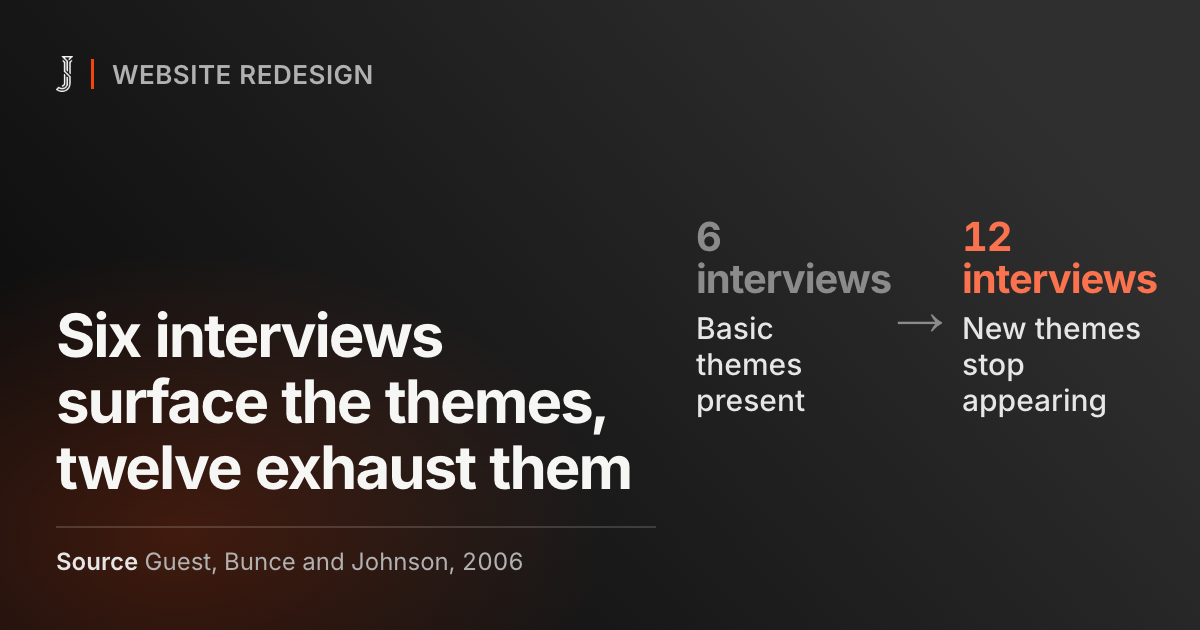
This is the order I run a redesign in. It starts with the numbers to record on day zero, before anyone opens a design file, so you can tell later whether the new site did better than the old one. It ends with the CRM wiring and the buyer tests that come before launch. Start here if the project is still a line in a budget.
Build weeks by site size and platform, and the gap between the clock a quote runs on and the clock the project actually runs on. On my projects, code rarely moves the launch date. Copy does, because it waits on people inside the business.
A new site can throw away rankings the old one took years to earn. This post walks through the checks I run to stop that: a full URL inventory, a 301 redirect map, content parity between old and new pages, and the launch-day checks in Search Console. Read it before anyone deletes a page.
Eight questions for a Vancouver business comparing proposals. Each one comes with what a good answer sounds like and the answers that should send you to the next proposal, including who owns the finished site and whether the quote is fixed or open-ended.
How I choose a CMS for a B2B marketing site. The deciding questions are who edits the site each week, where the leads land, and what each option costs over three years rather than in the first month. There are cases where running both is the right answer, and the post names them.
A new logo rarely wins bigger clients on its own. This post covers when a rebrand earns its cost, and why positioning and page structure come first for a firm chasing larger accounts. Useful if someone on the leadership team has already started collecting logo ideas.
Once the plan is set, the work moves to individual pages. These guides cover the screens a buyer sees first and the words on them.
What belongs on the first screen of a B2B website, what to cut from it, and how to choose one next step instead of three. It also shows how the layout changes on a phone, where a crowded hero falls apart first.
Your homepage headline decides whether the right buyer stays. The post shows how to name the reader, state the outcome and back it with proof, with before and after examples. If your current headline would fit any competitor's homepage, start here.
How I write copy from customer research instead of a brainstorm. Interviews, Reddit threads and sales call notes become service pages, an about page, proof sections and an FAQ that use the words buyers already use.
A section-by-section build for paid and campaign traffic. It runs from a headline that matches the ad, down through proof and the form, to what happens after someone submits it. Use it as a checklist when an agency hands you a landing page to approve.
A software company sells differently from a services firm, and the site has to follow. This covers a pricing page a buying committee can read, a demo request path that does not stall, webinar replays that keep working after the live date, and pages the marketing team can edit without waiting on a developer.
A producer, a client, an event booker and a reader can all arrive at one person's name. This post shows what each of them needs to find, using the W Communications rebuild as the worked example. Read it if your firm's reputation rests on one or two people.
A site can look fine and still cost you work. These three posts look at where B2B web design loses buyers before they ever call.
Large clients decide on your first screen. The places I see sites lose them most often are proof buried far down the page, a page written for one reader when a whole committee is reading, and no signal at all about price.
Nine design mistakes that give enterprise buyers and procurement a reason to cut a vendor from the shortlist. Each comes with the research behind it and the first fix I would make. Procurement teams rarely say why a vendor was dropped, so it helps to check before they look.
Why conversion rate optimization on a B2B site starts with the platform rather than button colours. Forms, the handoff into the CRM, page speed and how easily the team can edit pages all differ between WordPress, HubSpot, Framer and Shopify. Page tests only pay off once that plumbing works.
Ad spend is wasted when the click lands on the wrong page. These posts cover both sides: the ad and what it lands on.
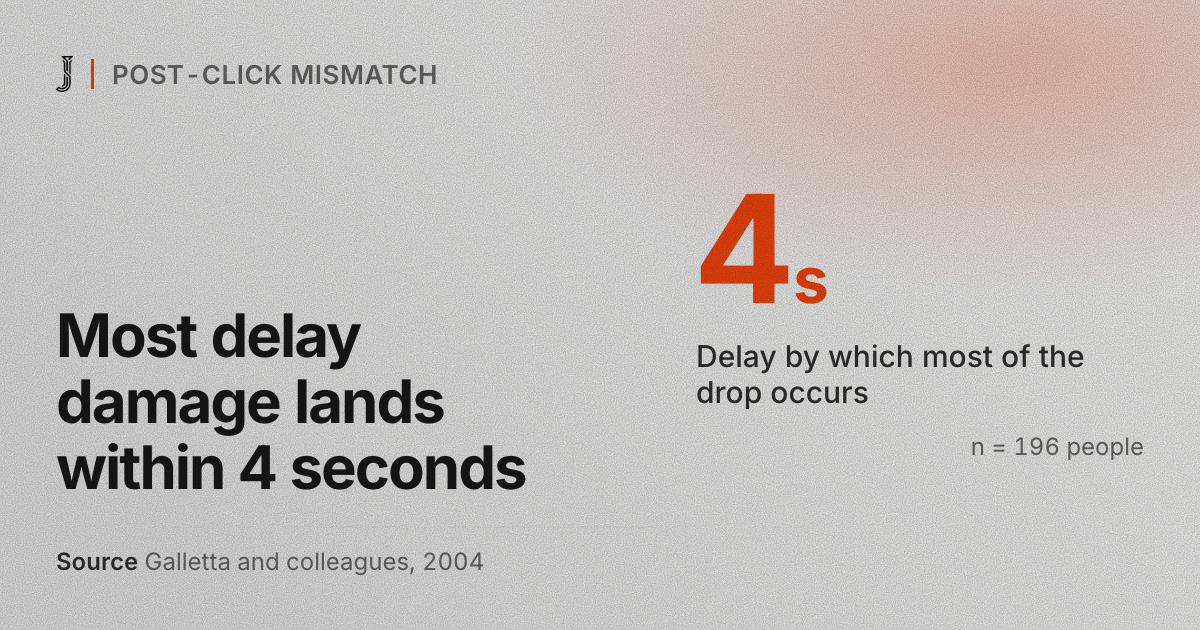
Why an ad can earn healthy clicks while the page loses the sale. The post uses five numbers to tell whether the ad or the page is the problem, so you stop rewriting ads that were never the issue.
How I build the page Meta ad traffic lands on. It is mobile first, it repeats the ad's promise as its first line, it has one button, and it loads fast. The post includes numbers from real campaigns.
The parts of a launch funnel: the sales page, a deadline that is real, the checkout and the tracking that tells you which part failed. The lessons come from three Copy Chief launches I worked on.
Six ad concepts for B2B and education offers, checked against peer-reviewed research and two Copy Chief campaigns. It ends with a nine-field creative brief and testing rules for small budgets, where you cannot afford to test twenty variants at once.
If your firm has hours of recorded interviews, webinars or talks, this post shows how I cut them into short clips buyers can find, how often to publish, and where each viewer should land so a view has a path to becoming a lead.
Buyers now ask ChatGPT, Perplexity and Google's AI Overviews who to hire. These three posts cover what decides the answer and what you can change.
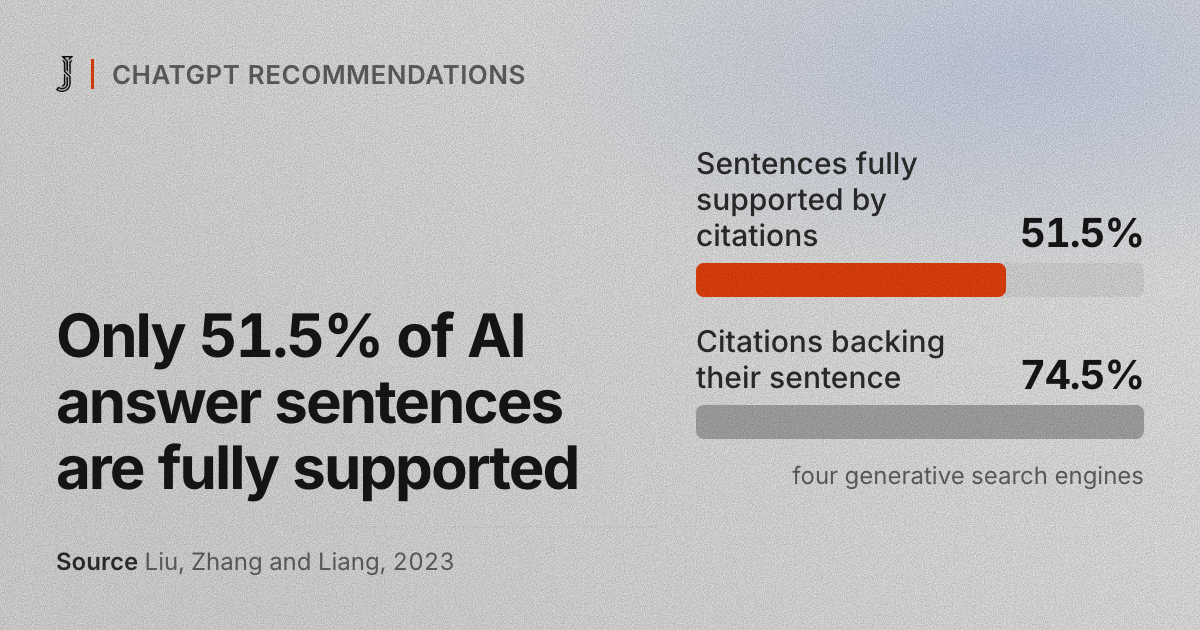
What decides whether ChatGPT names your firm when a buyer asks who to hire, which of those factors you control, and how to check where you stand today. It covers brand mentions and third-party reviews, the parts that live outside your own site.
How to write pages that Google AI Overviews, ChatGPT and Perplexity can quote. The method is answer-first sections, question headings, honest structured data and FAQs that add new facts instead of repeating the page above them.
What generative engine optimization is and how it differs from SEO, the seven changes I make on a B2B site, and the three numbers I use to measure whether they worked. Read this one if you need to explain the work to a board before you fund it.
Two posts on putting AI to work without handing it the jobs it does badly.
Most teams point AI at the cheapest job in a campaign. This post goes stage by stage, from customer research to ad variants, shows where it helps, and names the parts I keep away from it.
What to feed a custom GPT so it holds your brand voice, the four guardrails it needs, and what OpenAI's planned December 2026 GPT retirement means for a team that has built its content pipeline around one.
For retailers, the expensive mistakes happen before the store is built: the wrong platform, a migration that breaks old links, or a product the payment processor will not touch.
How to choose between WooCommerce and Shopify for a retail store. The post compares catalogue limits, the in-store till, real fees as of October 2026, and who owns the store. If you sell in a shop as well as online, read the till section first.
How I move retail stores from Wix to WooCommerce, step by step, with the S.T. Dupont Vancouver project as the worked example. It covers the product import, the payment gateway and the URL redirects that keep old links and rankings working.
Your checkout answers to the law, your payment processor and your platform, and the strictest of the three wins. This is the check to run before you build, so the store is not designed around products the processor will refuse.
If nobody can say where leads come from, nobody can say whether the website works. These two posts set up the measurement.
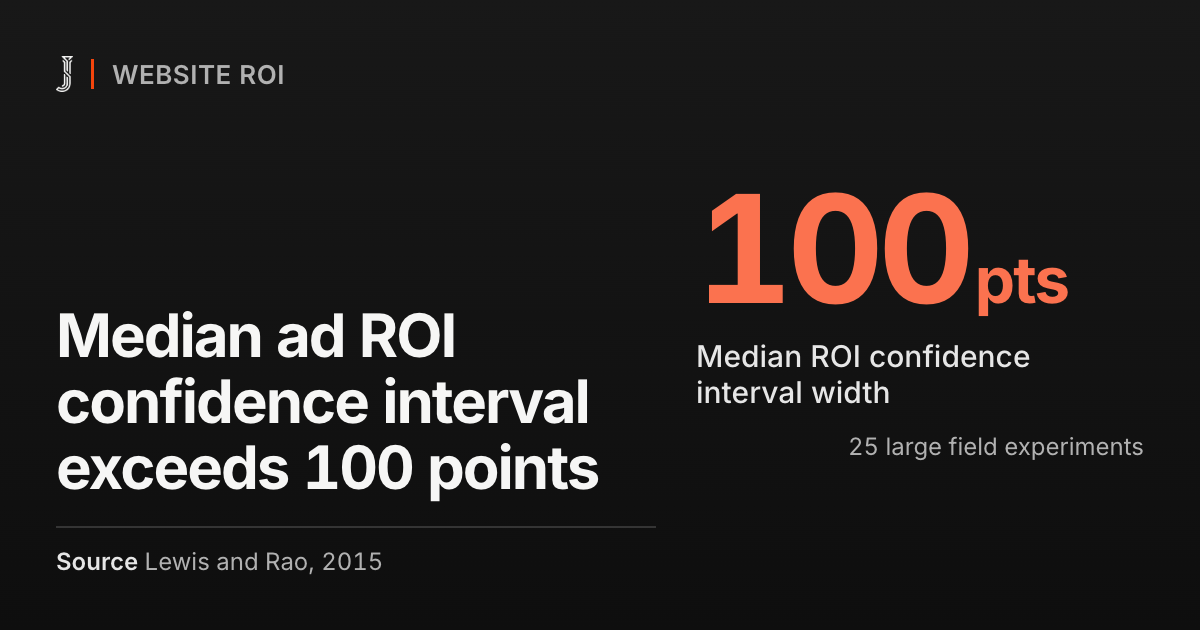
Website ROI is a chain from visit to closed deal. The post gives the formula, the six numbers that feed it, and how to wire lead source tracking so each of those numbers is real rather than a guess from last quarter.
How I set up GA4 so every lead reaches the CRM with its source attached. It covers the lead event, UTM naming rules, hidden form fields, a separate channel for AI referrals, and a test plan to run before trusting the numbers.
Three rules apply to every post on this blog.
First, claims about how buyers read and decide link to a peer-reviewed study, usually through its DOI, so you can read the source instead of taking my word for it. The redesign and hero posts both lean on Pirolli and Card's (1999) information foraging theory, which describes people judging where to go next from the cues in front of them, such as link labels and headings. The headline and hero posts also cite Lindgaard and colleagues (2006), who found people rated the visual appeal of a home page within 50 milliseconds, and those ratings closely matched the ones they gave after 500 milliseconds.
Second, numbers from client work name the project they came from, such as the S.T. Dupont Vancouver store, the W Communications rebuild or the Copy Chief launches. If a figure has no project behind it, it does not go in a post.
Third, prices are in Canadian dollars, because most readers here are Canadian firms. Where a post compares platforms, the fees are dated, since they change.
Most posts are written for owners and marketing leads at B2B firms of about 10 to 200 people, in Vancouver and across Canada, many of them on WordPress. The ecommerce posts are for retailers, including those with a physical shop as well as an online store. The AI posts are for anyone who has noticed buyers asking a chatbot before they search.
If you are planning a rebuild and want a number before reading further, the button below gives a fixed estimate in CAD in about two minutes.
Get a fixed quote in CAD in about two minutes, or book a call and we measure your starting numbers together.
Get an estimate